The New Wave of Regulation in Europe: What iGaming Operators Need to Know
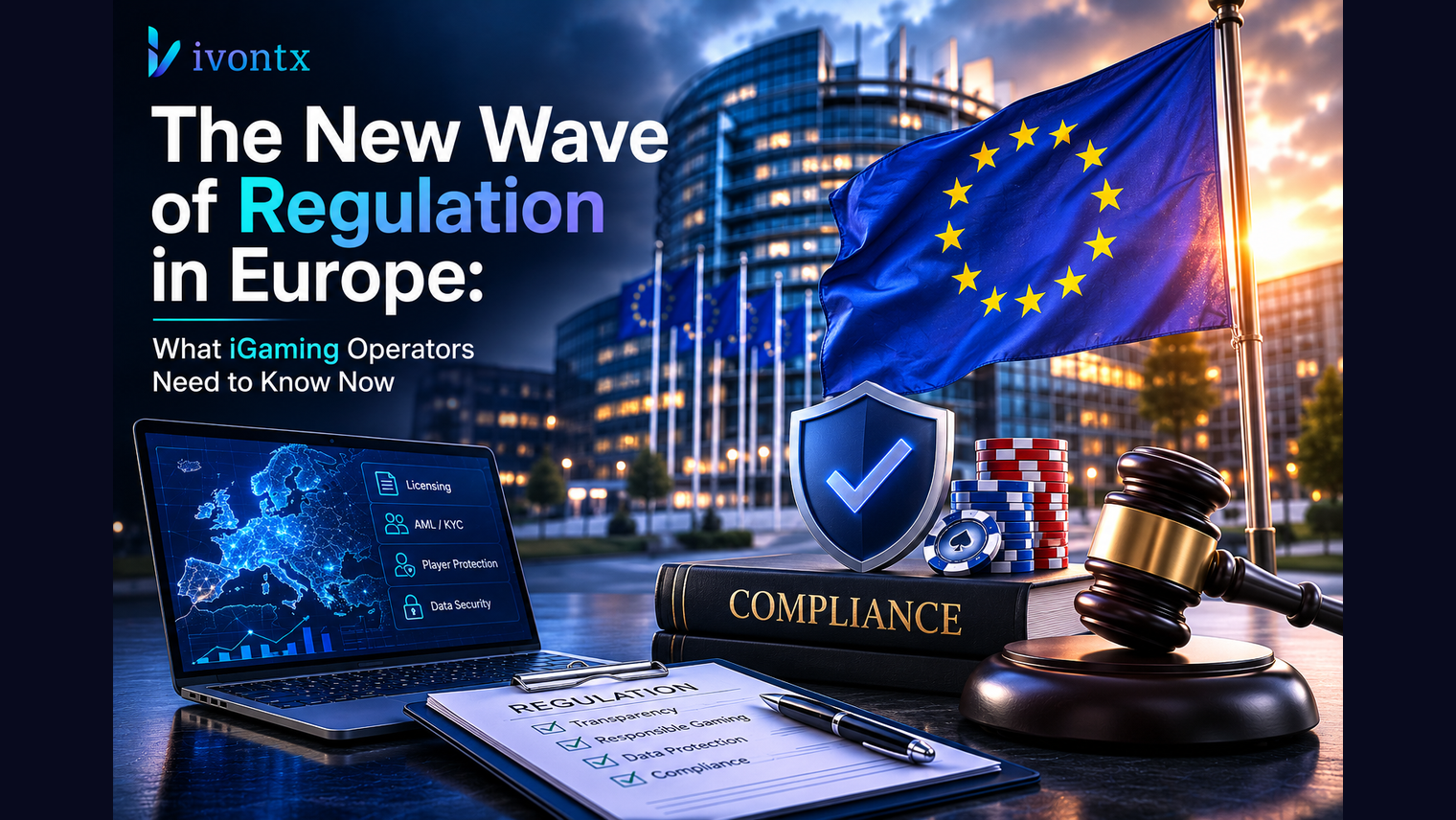
Europe continues to lead the global iGaming industry, but it is also becoming one of the most highly regulated markets in the world. Over the past few years, regulators across multiple European jurisdictions have introduced stricter licensing requirements, stronger consumer protection measures, and increased compliance expectations for operators and technology providers.
For businesses looking to enter or expand within Europe, regulatory readiness is no longer a competitive advantage. It is a fundamental requirement.
Compliance Is Becoming More Complex
While each European market maintains its own regulatory framework, several common trends are emerging across the region.
Regulators are placing greater emphasis on player protection, responsible gaming, anti-money laundering (AML), Know Your Customer (KYC) procedures, and transparent operational reporting. Operators are expected to demonstrate that compliance is built into their daily operations rather than treated as a separate process.
As regulatory expectations continue to evolve, businesses must ensure that their technology can quickly adapt to changing legal requirements.
Responsible Gaming Takes Center Stage
One of the biggest priorities for European regulators is strengthening responsible gaming measures.
Many jurisdictions have expanded requirements around affordability checks, deposit limits, self-exclusion programs, player monitoring, and safer gambling tools. Operators are increasingly expected to identify potentially harmful gambling behavior and intervene before problems escalate.
Technology now plays a critical role in helping operators meet these obligations through automated monitoring and real-time risk analysis.
Artificial Intelligence Creates New Opportunities and New Responsibilities
Artificial intelligence is becoming an essential component of modern iGaming platforms, but its growing adoption also brings new regulatory considerations.
The European Union's AI Act establishes a legal framework for the development and deployment of AI systems across various industries. While not written specifically for iGaming, the legislation is expected to influence how operators and technology providers implement AI-driven features, particularly in areas involving customer interaction, automated decision making, fraud detection, and risk management.
Companies using AI should ensure that transparency, accountability, and governance remain part of their long-term technology strategy.
Cross-Border Expansion Requires Flexible Infrastructure
Expanding into multiple European markets is no longer simply a licensing challenge.
Each jurisdiction may have different requirements regarding payment methods, customer verification, responsible gaming controls, data protection, and reporting standards. Operators that rely on inflexible technology often face higher costs and longer deployment timelines when entering new markets.
A modular platform architecture enables operators to configure compliance requirements for each jurisdiction while maintaining a single operational ecosystem.
Looking Ahead
Regulation will continue to shape the future of the European iGaming industry. Rather than slowing innovation, well-designed regulatory frameworks are encouraging operators to invest in stronger technology, better security, and more transparent business practices.
For operators and platform providers alike, success in Europe will increasingly depend on the ability to combine innovation with compliance. Businesses that build flexibility into their technology today will be better positioned to adapt to tomorrow's regulatory landscape.